The better idea doesn't always win. The better-explained one does.
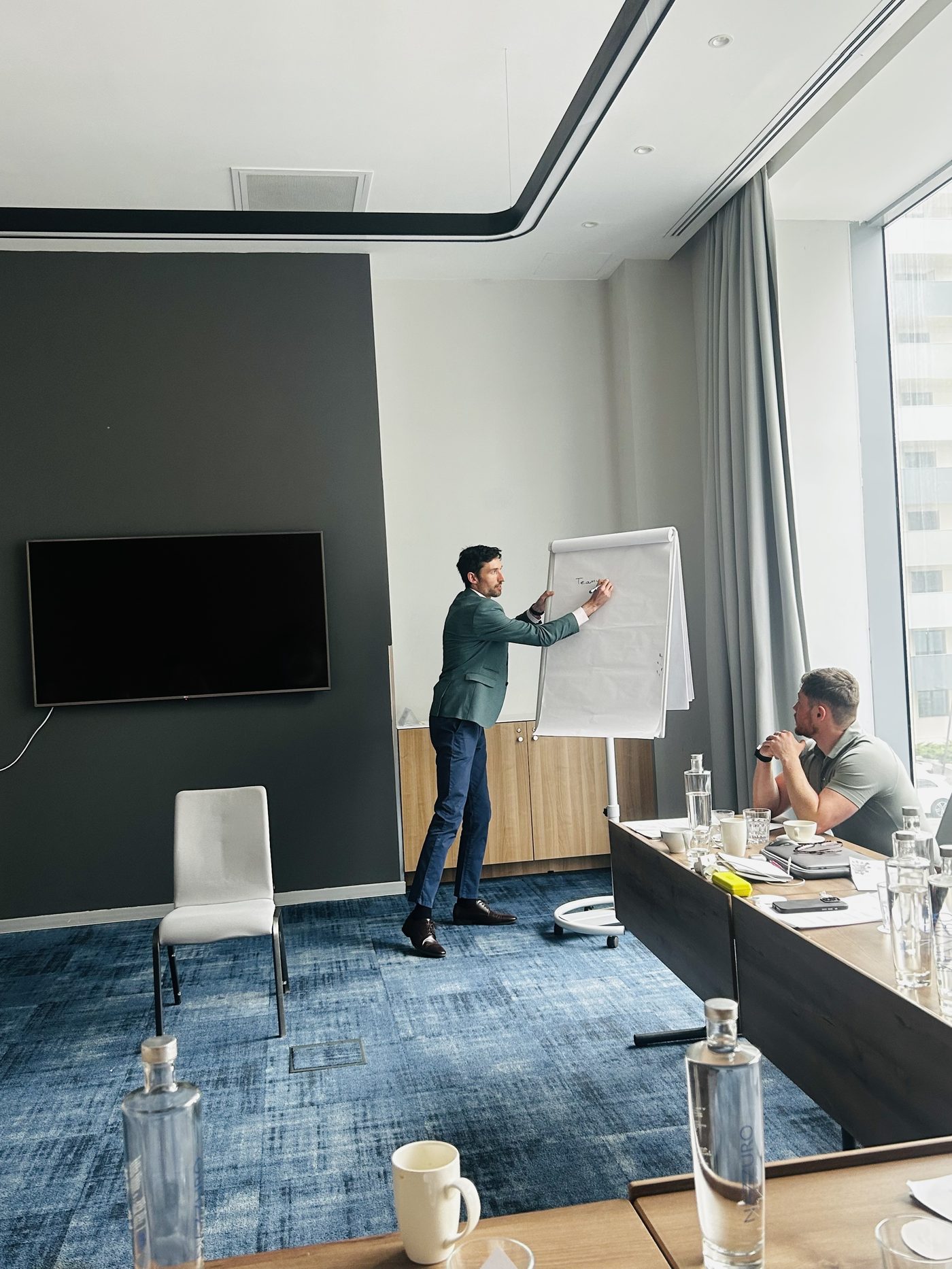
I'm an engineer and a qualified coach. I help engineers explain their work so the people who decide can say yes: clearer updates, presentations that sell the idea, and risks a managing director actually understands.
 ENGINEER · COACH · FACILITATOR
You know the work inside out. Getting it across is the hard part.
Engineering training teaches you to be thorough. Nobody teaches you how to explain a design, a risk or a budget to someone who doesn't share your background, in five minutes, in a way that gets a decision.
You explain more, they understand less
When someone looks lost, the instinct is to add detail. More detail usually means more worry, and the decision gets parked.
The decision maker can't see the risk you can
You've spotted the problem early. If the sponsor or MD doesn't get it, the project goes ahead anyway, or stalls for the wrong reason.
A weaker idea gets picked because it was pitched better
Decisions follow whoever explained their case most clearly. Being right isn't enough if nobody can follow you.
You stop bringing ideas
When your ideas keep getting knocked back, you stop putting them forward. Your enjoyment of the job and your career both take the hit.
The day I thought I was explaining it too simply
Early in my career I had to brief a managing director on a piece of technical work. My boss gave me one instruction: explain it as simply as you can.
I was nervous. It felt so basic that I worried I'd make him feel talked down to. I did it anyway. His reaction: "This is brilliant."
That moment stuck with me. Most engineers I know are capable of the same thing. They just assume that clear means dumbed down, so they pile on detail and lose the room.
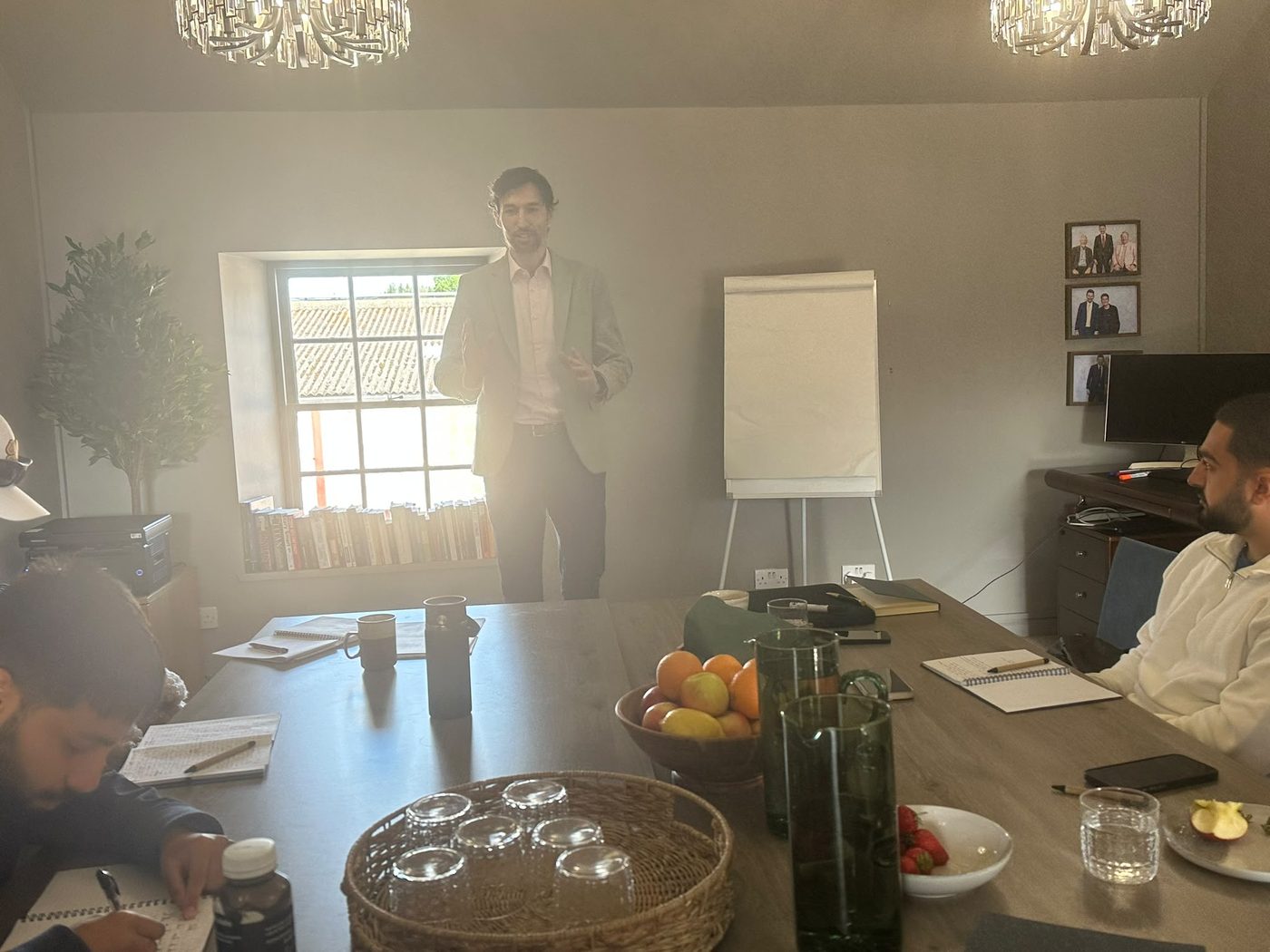
Since then I've spent years working on how I communicate: through Toastmasters, the Professional Speaking Association, and running workshops and game-based sessions for groups in Ireland, the UK and Europe. I trained as a coach so I could help other engineers make the same shift, faster than I did.
- > An engineer's understanding of how engineers think
- > A formal coaching qualification
- > Years of speaking practice with Toastmasters and the PSA
- > Workshops run in Ireland, Scotland, Poland and Romania
- > Interviews with founders and experts on The Growth Loop
Six sessions. One clear outcome: people get what you're saying.
We work on your real situations, not theory. Bring the presentation you're dreading, the update that keeps going sideways or the idea you want approved, and we'll get it ready together.
Technical to plain English
Explain designs, risks and trade-offs to people without your background, and keep their attention.
Presentations that sell the idea
Structure a pitch around what the decision maker cares about: cost, risk, time and outcome.
Speaking up in meetings
Get your point in, briefly, and stay calm when someone senior pushes back.
Clients, sponsors and awkward conversations
Handle the client who keeps changing the brief, or the sponsor who doesn't want to hear about the delay.
Communication coaching programme
- SESSIONS
- 6 one-to-one
- RHYTHM
- Every two weeks
- LENGTH
- About 3 months
- WHERE
- Online
I'm taking on two founding clients at this rate. Once those places are filled, the price goes up.
Book a free intro callCommunication workshops built on games, not slides
For engineering teams, young engineers' groups and professional societies. People learn more from five minutes of playing a role than an hour of being told what to do. Online with breakout rooms, or in person.
-
WARM-UP · 10 MIN
"Yes, and"
A quick improv game. Everyone builds on each other's ideas instead of shooting them down. It gets the room talking and sets the tone for the hour.
-
ROLE-PLAY · 30 MIN
The scenario
Small teams get a real-world problem. Each person gets a private brief with their own role and their own goals. They have to talk their way to a decision.
-
THE TWIST
New information lands mid-game
A supplier runs late or the budget moves. Just like a real project, the plan has to change and somebody has to explain why.
-
DEBRIEF · 20 MIN
What actually happened
Back in the main room, each team shares what worked, where the message got lost and what they'd do differently at work on Monday.
"Why is the coffee taking so long?"
Customers at a busy café are complaining about the wait. The team has to find the root cause and agree a fix the owner will actually pay for.
Run a session for your society or team
I'm running a small number of free pilot workshops with engineering societies and groups in Ireland while I refine the format. If you chair a society or lead a team of engineers, I'd love to hear from you.
Sessions I've run
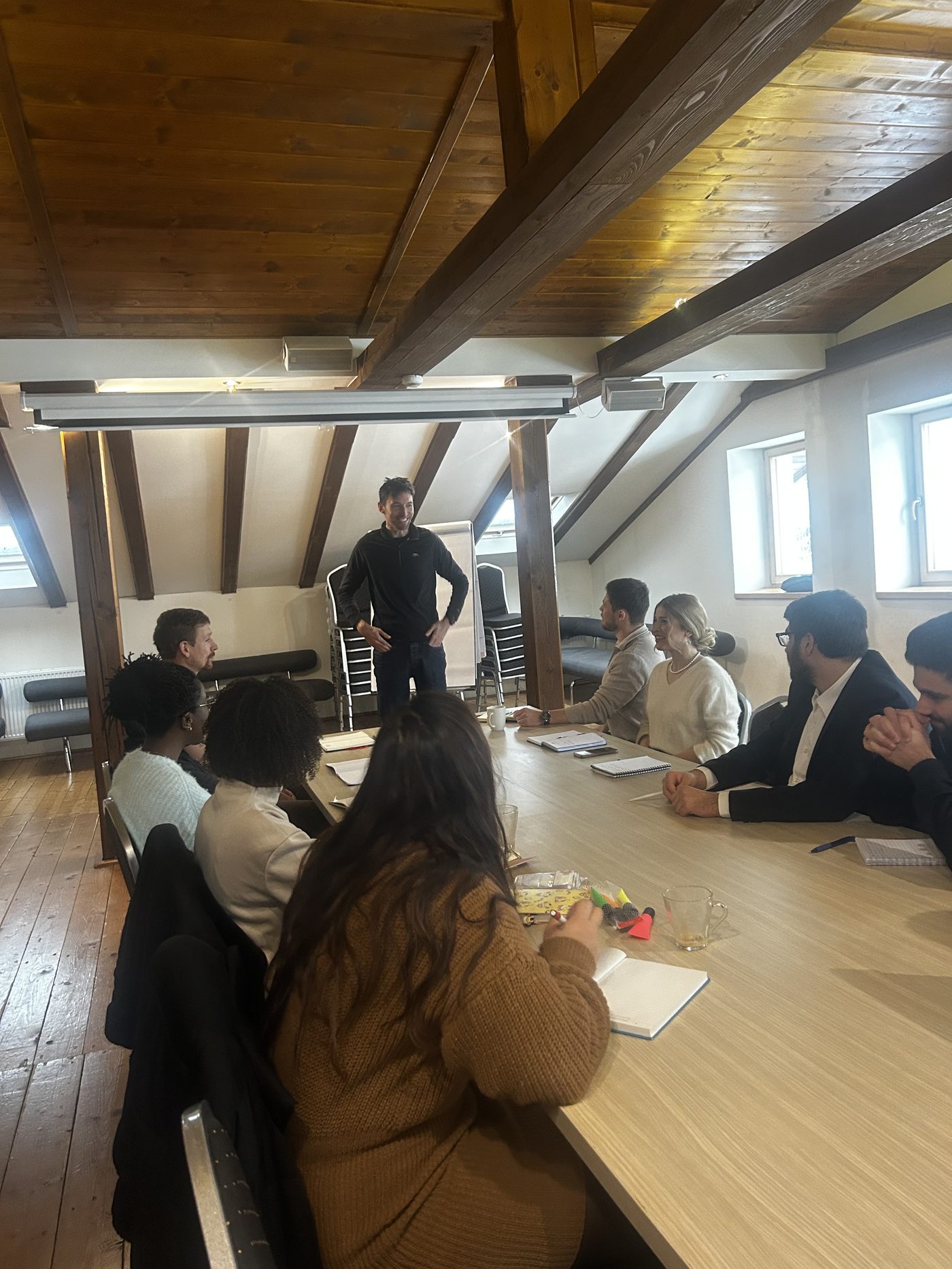
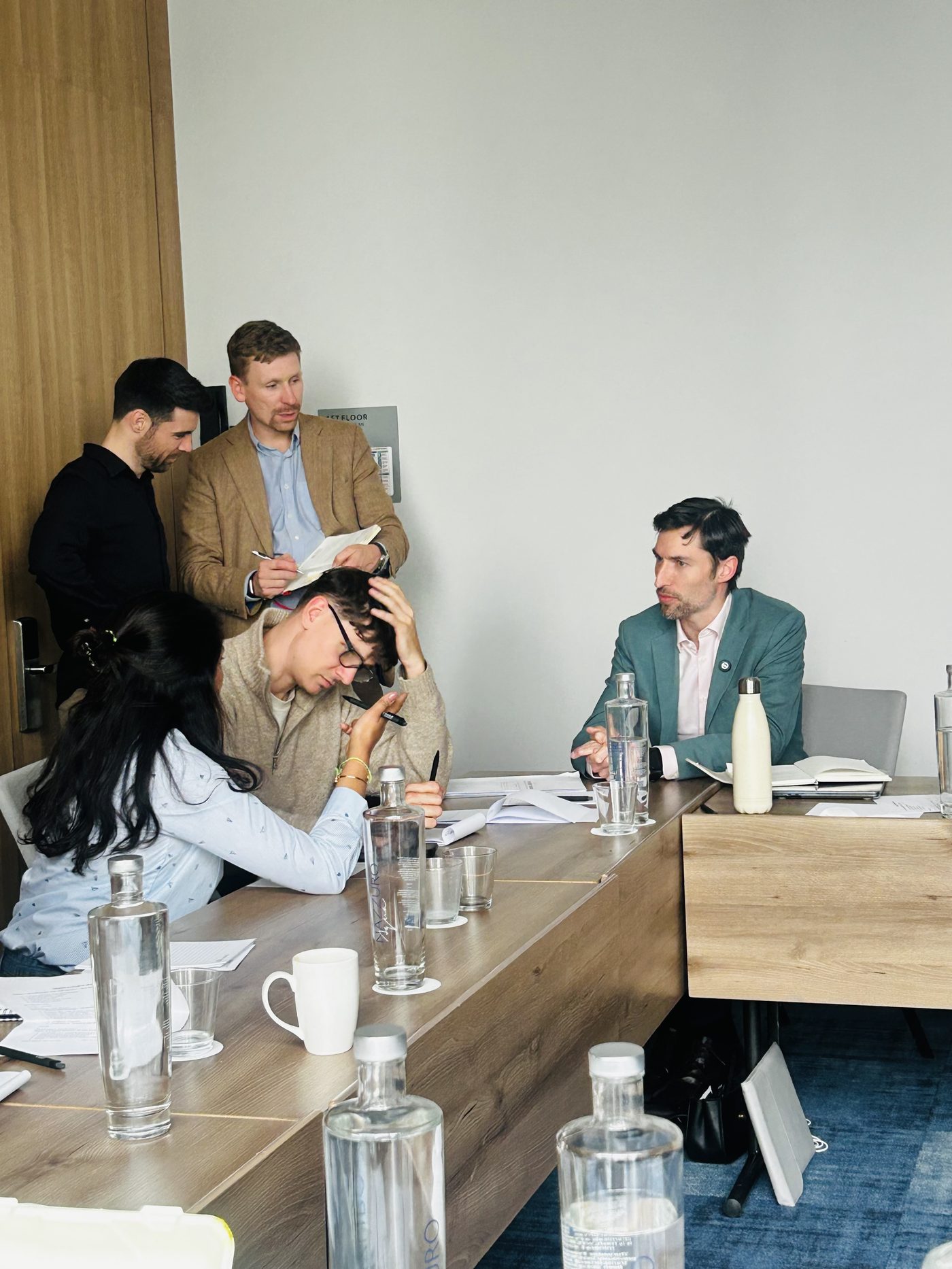
From small mastermind groups to business owners in a full room. The same approach every time: get people doing, then talk about what they did.
Team and leadership sessions
The same game-based format for companies: cross-team alignment between engineering, operations, sales and delivery.
Talks
Short talks for societies, conferences and team days on how engineers can get their ideas heard.
Honest conversations on growth and how good work gets done
I sit down with founders, operators and experts, usually in person. Listen wherever you get your podcasts.
Want to be a guest? If you're building something worth talking about, email me and tell me your story.
Apply to be a guestLet's get your ideas heard
Tell me a little about where you are. If coaching or a workshop looks like a fit, we'll set up a short call. If it isn't, I'll tell you, and point you somewhere better if I can.